Key points
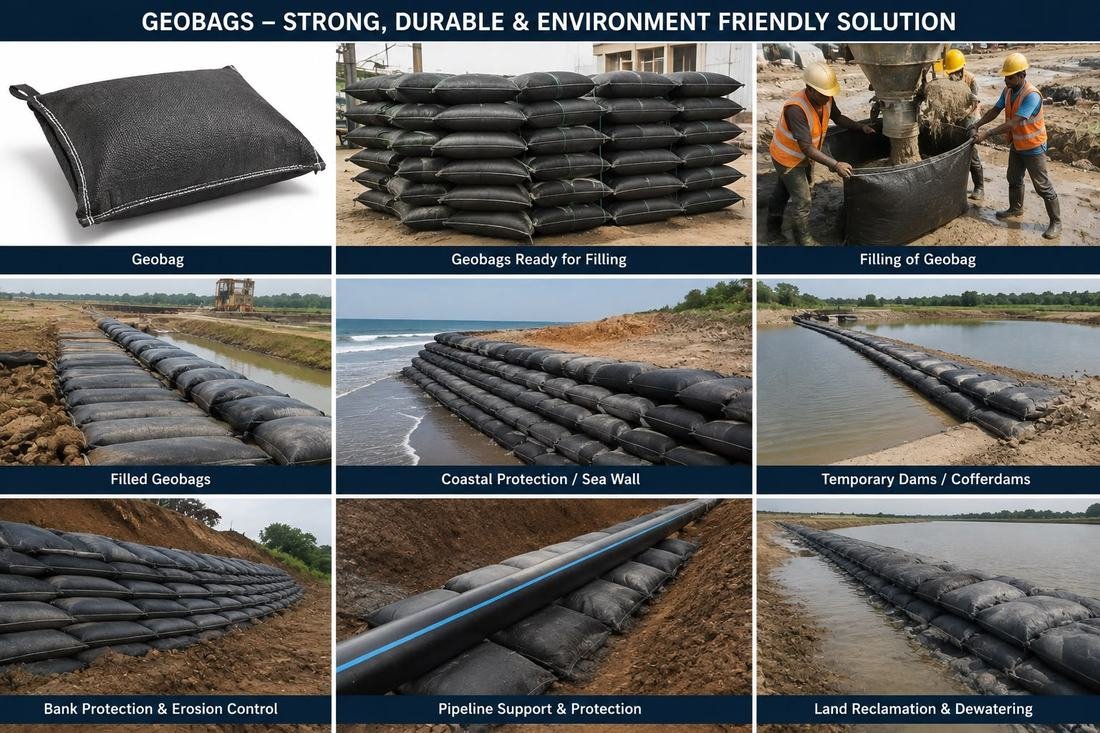
- Polypropylene (PP) is lighter, absorbs very little water and resists many acids, alkalis and salts, so it is common in geotextile and filtration.
- Polyester (PET) tolerates more heat and sunlight, so it is common in automotive felt and near warm areas; it is weak in strongly alkaline conditions.
- Viscose is soft and absorbent and is usually used in blends for feel and comfort.
- Choose from the environment first: temperature, chemistry and how long the fabric sees sunlight.
Polypropylene (PP)
Polypropylene is one of the lightest common fibres — lighter than water — so a roll covers more area per kilogram. It absorbs very little moisture and resists many acids, alkalis and salts, which is why it is widely used in geotextiles and in filtration.
Its limits are heat and sunlight. It softens at a lower temperature than polyester, and unprotected polypropylene degrades in prolonged UV exposure, so it is normally covered soon after installation or supplied stabilised.
Polyester (PET)
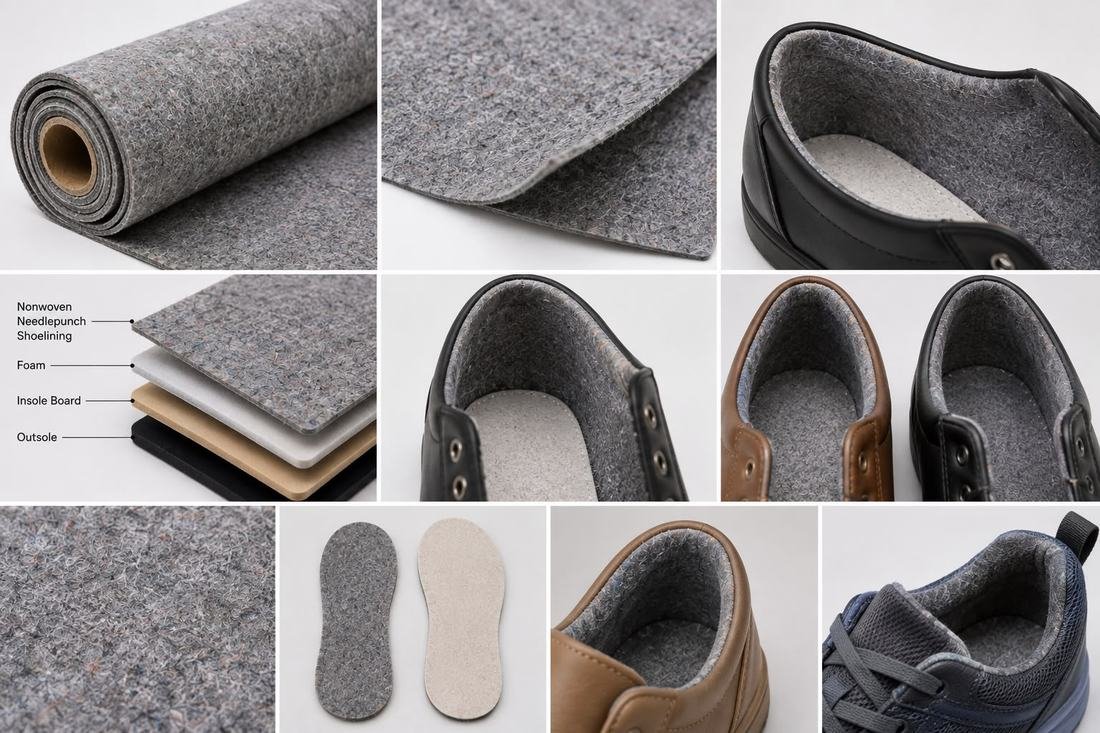
Polyester is denser and stiffer, with a higher melting point, so it tolerates more heat and generally holds its shape and resilience well. It is a common choice for automotive felt, where components sit near warm areas, and for products that need a firm, springy hand.
It is less suited to strongly alkaline environments, where the fibre can break down over time. Polyester also takes colour readily, which helps where a coloured felt is needed.
Viscose and blends
Viscose is a soft, absorbent cellulosic fibre, usually used in a blend to improve feel and comfort. Blends let a felt combine properties — for example resilience from polyester with the lightness of polypropylene — and are developed to the application.
Comparison at a glance
| Feature | Polypropylene | Polyester | Viscose |
|---|---|---|---|
| Weight | Very light | Heavier than PP | Soft, medium |
| Heat tolerance | Lower | Higher | Not chosen for heat |
| Chemical resistance | Good against many acids and alkalis | Good, but weak in strong alkali | Limited |
| Moisture | Absorbs very little | Absorbs little | Absorbent |
| Sunlight | Needs protection or stabiliser | Better UV resistance | — |
| Typical uses | Geotextile, filtration, packaging felt | Automotive felt, footwear, garment padding | Soft-touch blends |
Recycled fibre
We supply PP in both virgin and recycled grades. Recycled fibre suits applications where cost and sustainability matter and a uniform appearance is secondary — packaging, underlay and many industrial felts. Where colour consistency or a controlled specification is critical, virgin fibre is usually specified. Tell us the requirement and we will advise.
How to choose
Work from the environment first: the temperature the material will see, the chemistry it will touch and how long it is exposed to sunlight. Then decide weight, thickness and finish. If the answer is not obvious, describe the application in an enquiry — fibre selection is part of how we quote, and samples are available on request.
Questions
Which fibre is better for geotextile — PP or polyester?
Polypropylene is common in geotextile because it resists many soil chemicals and absorbs little water. Polyester is used where temperature or UV resistance matters more. The right choice depends on your site’s soil chemistry, temperature and exposure, so confirm it against the project design.
Which fibre handles heat better?
Polyester generally tolerates higher temperatures than polypropylene, so heat-exposed areas often call for polyester. Tell us the operating temperature and we will recommend a fibre.
Can you supply recycled or blended fibre?
Yes. Our fibre range is polyester, PP (virgin and recycled), viscose and custom blends.